Compare and Choose Local Contractors for Sitework Services
Compare local contractors for sitework services to clearly define scope, verify experience, and set expectations in writing, ensuring a successful project outcome.
Sitework services typically encompass a range of foundational tasks necessary to prepare a property for construction or development. This includes grading and excavation to ensure proper drainage, clearing and demolition of existing structures or vegetation, and the installation of utilities such as water, sewer, and drainage systems. Proper sitework lays the groundwork for any subsequent building activities, making it a critical step in the overall project. When selecting a contractor for sitework, understanding the scope of work involved helps ensure that all necessary tasks are covered and that expectations are clear from the outset.
Defining the scope of sitework is essential because it sets the boundaries for what the contractor will handle and helps prevent misunderstandings later in the project. A well-documented scope should specify the extent of grading, excavation depths, utility installation details, and any site-specific considerations like soil stabilization or erosion control. Clear scope documentation also facilitates accurate comparisons between local contractors by providing a basis for evaluating their experience, capabilities, and the services they offer. This clarity helps property owners choose a service provider that aligns with the specific needs of their site.
When comparing local contractors for sitework services, it’s important to verify their experience with similar projects and to review their references or past work. Property owners should ask for detailed descriptions of previous sitework projects, especially those comparable in scope or size. Additionally, reviewing written proposals or scope documents from multiple service providers can reveal differences in what each contractor plans to deliver. Focusing on how well each contractor understands the project requirements, their approach to defining scope, and their ability to communicate clearly can help property owners make informed decisions and select a capable service provider for their sitework needs.
Compare local contractors by outlining project priorities, verifying experience, and clearly defining scope and expectations in writing.
- Compare Contractors - review multiple local contractors to find the best match for your sitework needs.
- Define Project Scope - clearly outline the work requirements to ensure all parties have aligned expectations.
- Verify Experience - check the background and past projects of service providers to assess their expertise.
- Document Agreements - put project details and expectations in writing to avoid misunderstandings.
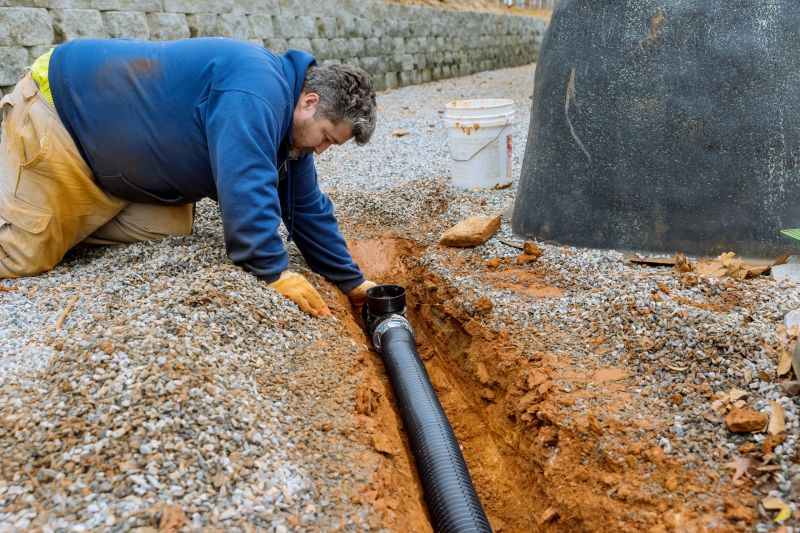
Clearly describe your sitework project scope to effectively compare local contractors, verify experience, and set expectations in writing.
- Verify experience and references of local contractors with sitework projects similar in scope and complexity. - Evaluate the contractor’s past work to ensure they have relevant expertise in site preparation and grading.
- Define the scope of work clearly in writing to prevent misunderstandings or scope creep during the project. - Ensure all project details, responsibilities, and expectations are documented and agreed upon.
- Assess the contractor’s ability to handle site-specific challenges such as soil conditions or existing terrain. - Inquire about their experience working in similar environments to anticipate potential issues.
- Check that the contractor has appropriate insurance coverage to protect against liabilities related to sitework activities. - Confirm that they carry sufficient insurance to mitigate risks during excavation and grading work.
- Compare service providers based on their methods, equipment, and approaches to ensure they align with project needs. - Understand how each local contractor plans to approach the sitework to find the best match.
- Ensure all project expectations, including deliverables and responsibilities, are documented in a detailed written agreement. - Clarify and record the scope, responsibilities, and any specific requirements before work begins.
Use this to compare local contractors, clarify project scope, verify experience, and set clear expectations in writing.

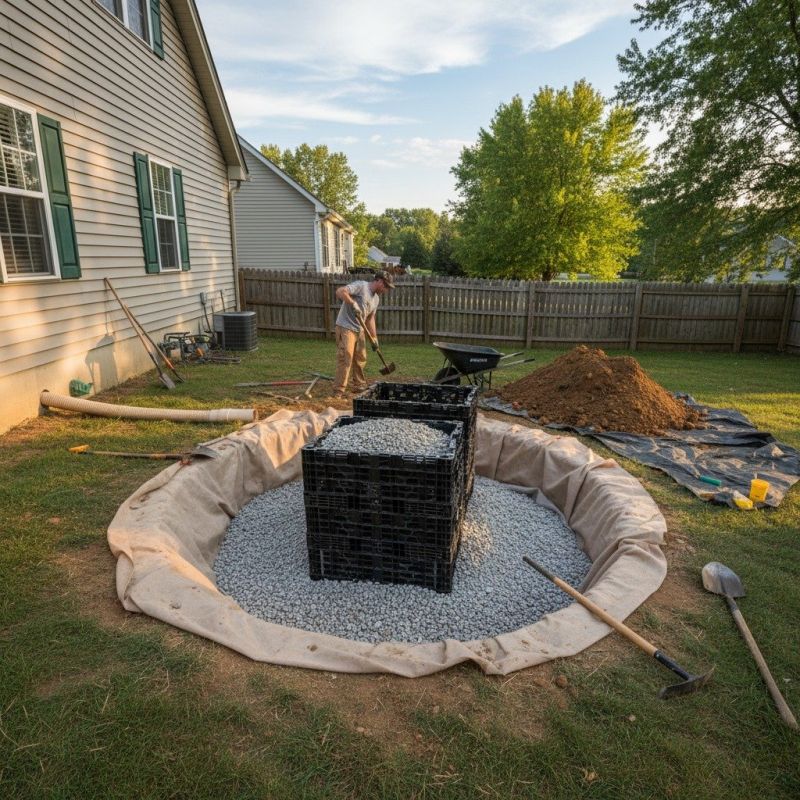


This section helps you compare local contractors for sitework services by defining scope, verifying experience, and setting clear expectations.
- Define project scope - Clearly outline the specific sitework services required for the project.
- Verify experience and expertise - Assess the background and skill level of local contractors in site preparation and earthwork.
- Establish detailed work specifications - Document the scope of work, materials, and quality standards to ensure clarity.
- Set expectations in writing - Confirm all project requirements, deliverables, and responsibilities are documented for transparency.
- Compare contractor qualifications - Evaluate different local service providers based on experience, reputation, and capability to meet project needs.
When evaluating contractors for sitework services, it is important to consider their experience with similar projects. Homeowners should inquire about the types of site development projects the service providers have completed, paying attention to the scope and complexity of those jobs. An experienced contractor will have a track record of handling projects comparable in size and scope, which can offer insight into their familiarity with the specific challenges that may arise during the work. This background helps ensure that the contractor has relevant knowledge and skills to manage the unique aspects of the site, reducing the likelihood of unforeseen issues.
A clear, written scope of work is essential when comparing contractors. Homeowners should seek detailed descriptions of what each service provider intends to include in their work, covering aspects such as excavation, grading, drainage, and site preparation. A well-defined scope helps prevent misunderstandings and provides a basis for evaluating the thoroughness of each proposal. It also allows homeowners to identify any gaps or ambiguities, ensuring that all necessary tasks are accounted for and that expectations are aligned before work begins.
Verification basics involve confirming that contractors have the appropriate experience and a solid understanding of the project requirements. Homeowners should ask for references or examples of past work similar to their project, and verify that the contractor has a history of completing projects on schedule and within scope. Additionally, it’s helpful to review any available documentation or records that demonstrate a contractor’s familiarity with local site conditions, permitting processes, and relevant regulations. This verification process helps build confidence that the service provider has the foundational knowledge needed to execute the work effectively.
When comparing options, it’s important to evaluate how well each contractor’s approach aligns with the project’s scope and your expectations. Homeowners should review written proposals carefully, assessing the level of detail and clarity provided. Asking questions about how each contractor plans to address potential challenges or site-specific conditions can also be beneficial. By focusing on the clarity of communication, experience with similar projects, and the comprehensiveness of the scope, homeowners can make more informed decisions and select a service provider capable of meeting their sitework needs effectively.
Ask contractors to provide written scope details to ensure clarity and consistency throughout the project.
- Experience and Expertise - What specific experience do local contractors have with sitework projects similar to yours?
- Scope of Services - How do contractors define and clarify the scope of work to ensure all project needs are covered?
- Project Approach - What methods or processes do service providers use to plan and execute sitework tasks?
- Communication and Expectations - How do contractors document project details and expectations to prevent misunderstandings?
- Comparing Contractors - What criteria should be used to evaluate and compare the qualifications and capabilities of different local service providers?
What should I consider when choosing a sitework contractor? It's important to compare local contractors based on their experience, reputation, and scope of services. Verifying their previous work and defining the project scope clearly can help ensure alignment and quality. Making sure all project details are documented in writing helps set expectations upfront.
How can I verify a contractor’s experience with sitework projects? You can review their portfolio or request references from past clients. Asking about specific types of sitework and the scale of projects they have completed provides insight into their expertise and suitability for your project.
What questions should I ask when evaluating sitework contractors? Inquire about their previous experience, the scope of services they offer, and how they handle project challenges. Clarifying how they communicate project details and document agreements can help prevent misunderstandings.
How important is it to define the scope of work in writing? Clearly outlining the scope of work in a written agreement is essential for setting expectations, avoiding misunderstandings, and providing a reference point throughout the project.
What are some tips for comparing different sitework service providers? Focus on their experience, scope of services, reputation, and how they communicate. Gathering detailed information and ensuring all project details are documented can help identify the best fit for your needs.
Why is it recommended to gather multiple bids or proposals? Comparing multiple bids allows for a better understanding of the scope and approach different contractors take, helping to make an informed decision based on experience and service offerings rather than price alone.
This page has highlighted key steps for finding the right contractors to handle sitework services. Visitors learned how to clearly define project scope, verify the experience of local contractors, and set clear expectations through written agreements. These practices help ensure that the selection process is informed and tailored to specific project needs.
To explore options and compare local service providers, using the quote form is a practical next step. It provides an easy way to connect with qualified contractors who can help bring your sitework project to completion, making it simple to evaluate your choices side by side.