Compare Local Contractors for Earthwork Grading Services
Compare local contractors for earthwork grading to define project scope, verify experience, and establish clear expectations for a successful outcome.
Earthwork grading involves shaping and leveling land to prepare a property for construction, landscaping, or drainage improvements. This work typically includes excavating, filling, and contouring soil to create a stable foundation, proper slopes, and effective drainage paths. Contractors in this field use specialized equipment to move large quantities of earth, ensuring that the terrain meets the specific requirements of the project. Proper grading is essential for preventing water pooling, supporting structures, and establishing a functional outdoor space, making it a crucial step in many property development efforts.
Defining the scope of earthwork grading projects is an important step in ensuring the work aligns with property owners' expectations. Clear scope details might include the extent of excavation, the desired grade elevations, drainage considerations, and any environmental or site-specific factors. Having a well-documented scope helps prevent misunderstandings and ensures that contractors are bidding and working based on the same expectations. It also provides a basis for evaluating completed work and addressing any issues that may arise during or after the project.
When comparing local contractors for earthwork grading, property owners should consider a few practical factors. Verifying experience with similar projects can provide insight into a contractor’s capability to handle specific site conditions. Reviewing references or past work can reveal the quality and reliability of their services. Additionally, it’s important to compare how contractors communicate and document their scope of work, as clear written agreements help set expectations and avoid disputes. By focusing on experience, communication, and the ability to define scope, property owners can make informed decisions when selecting a service provider for earthwork grading projects.
Compare local contractors by outlining project priorities, verifying experience, and setting clear expectations in writing.
- Compare Contractors - review multiple local contractors to find those with relevant experience in earthwork grading.
- Define Project Scope - clearly outline the work requirements to ensure all parties understand the expectations.
- Verify Experience - assess the background and past projects of service providers to ensure they meet project needs.
- Document in Writing - establish detailed agreements that specify scope, responsibilities, and project expectations.
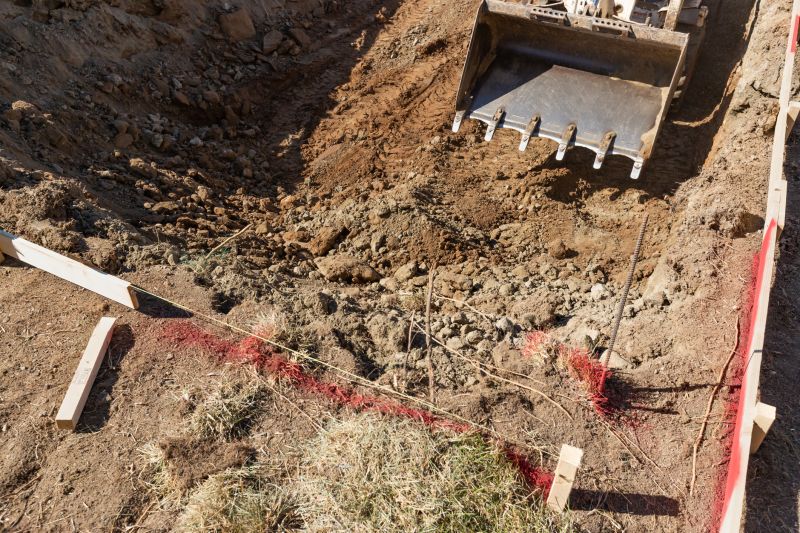
Before comparing local contractors for earthwork grading, clearly define the project scope and describe it thoroughly.
- Verify experience and references of contractors with earthwork grading projects similar to the scope needed. - Ensure contractors clearly define the grading scope and specifications in written agreements.
- Compare estimates and scope details from multiple local contractors to assess consistency and thoroughness. - Check that contractors provide detailed descriptions of their work processes and materials used.
- Assess the contractor’s understanding of site conditions and drainage requirements before work begins. - Confirm that the contractor has experience working with similar terrain and soil types.
- Request a detailed project plan outlining grading techniques, equipment, and site preparation steps. - Make sure the plan aligns with project goals and site-specific needs.
- Confirm that the contractor has appropriate insurance coverage and adheres to safety standards during earthwork operations. - Verify documentation and safety protocols are in place before work starts.
- Establish clear communication channels and written expectations to prevent misunderstandings during the project. - Ensure all project details, responsibilities, and deliverables are documented.
Use this to compare local contractors, clarify project scope, verify experience, and set clear expectations.
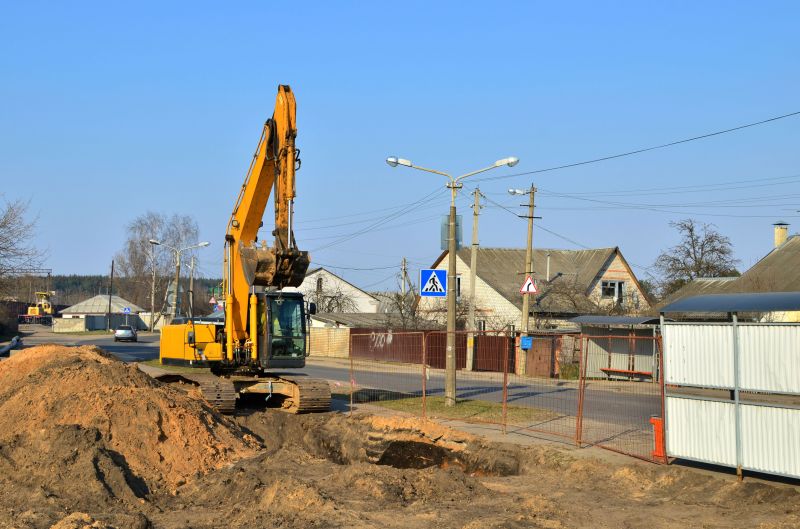
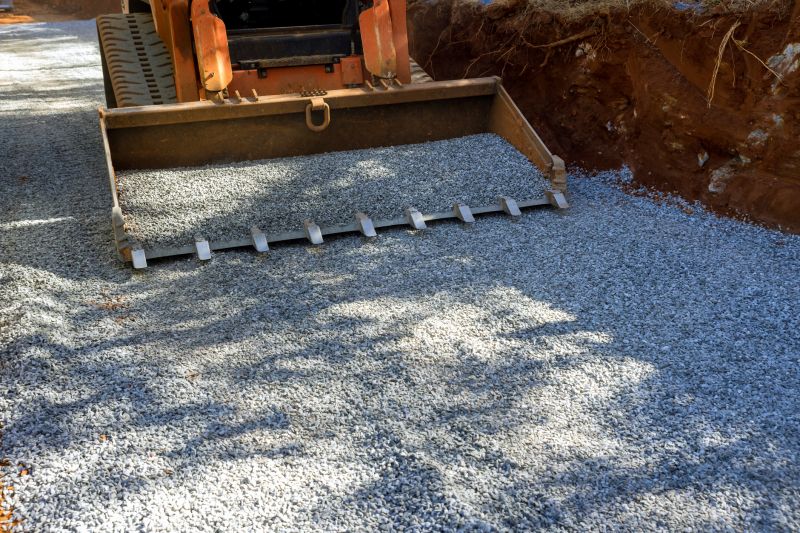
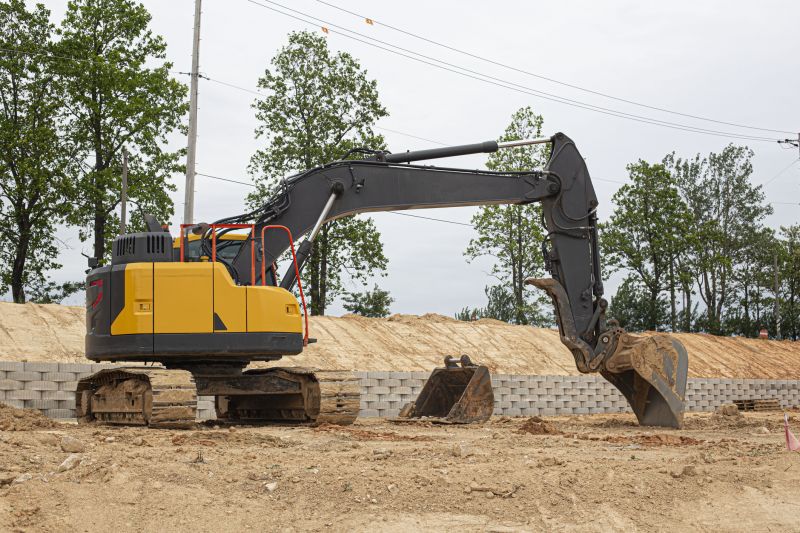
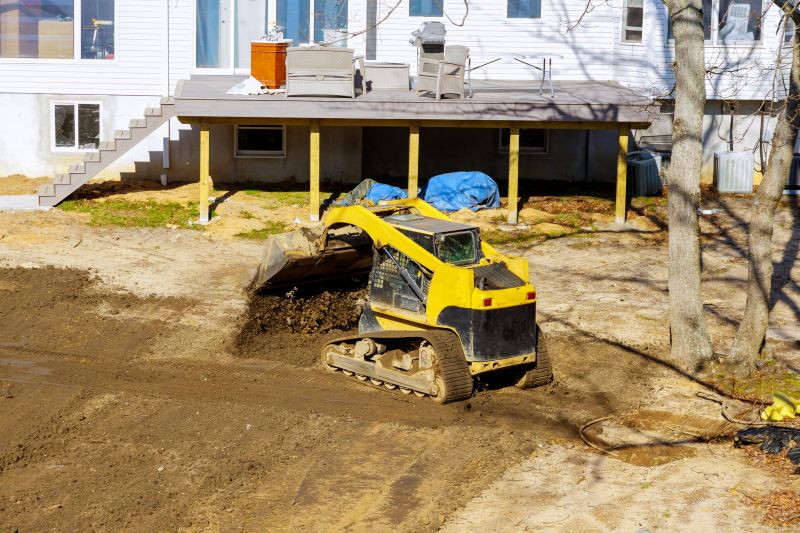
This section guides comparing local contractors for Earthwork Grading to ensure consistent scope definitions and clear expectations.
- Define project scope - clearly specify the extent of earthwork grading needed for the site.
- Verify experience - assess the contractor’s background in performing similar grading projects.
- Check equipment and methods - ensure the service provider has appropriate machinery and techniques for the scope.
- Establish documentation - document all project details, specifications, and expectations in writing.
- Compare local contractors - evaluate multiple service providers based on expertise, scope understanding, and communication.
When evaluating contractors for Earthwork Grading, it’s important to consider their experience with projects similar in scope and complexity to the work at hand. Service providers with a proven track record in comparable projects are more likely to understand the specific challenges that may arise and have the practical knowledge needed to address them effectively. Asking for examples of past work or references related to projects with similar terrain, size, or purpose can provide insight into their familiarity with the type of earthwork involved.
A clear, written scope of work is essential for establishing mutual understanding and setting expectations. The scope should detail the specific tasks, deliverables, and responsibilities of the contractor, including site preparation, grading levels, drainage considerations, and any necessary site restoration. Having a comprehensive document helps ensure that both parties agree on what the project entails and reduces the potential for misunderstandings or disputes down the line.
Verification basics involve confirming that the contractor’s experience aligns with the project requirements and that they have a solid reputation for quality work. This can include reviewing references, verifying project history, and assessing how well they communicate their process and approach in written form. A contractor who provides detailed project descriptions and responds clearly to questions demonstrates professionalism and transparency, which are valuable indicators of reliability.
When comparing options, it’s helpful to focus on how well each contractor’s scope and approach match the project’s needs. Look for detailed proposals that outline the work plan, methods, and materials, and consider how well they address specific site conditions. Asking service providers to clarify their process and verify their experience with similar projects can aid in making an informed decision. Remember, the goal is to choose a contractor who can clearly demonstrate their understanding of the work and their ability to deliver results that meet the project’s expectations.
Ask contractors to provide written scope details to ensure clear expectations and consistent project understanding.
- Experience - How do contractors’ past earthwork grading projects compare in scope and complexity?
- Scope Definition - What specific tasks and responsibilities are included in each contractor’s scope of work?
- Work Methods - How do different service providers approach grading techniques and site preparation?
- Experience Verification - Can contractors provide detailed examples of similar projects they have completed?
- Written Agreements - Are scope details and expectations clearly outlined in the service agreements or proposals?
How can I find qualified contractors for earthwork grading? To find qualified contractors, compare local service providers based on experience, reviews, and project scope. Ensure they clearly define the work involved and verify their familiarity with similar projects.
What should I consider when defining the scope of earthwork grading? Clearly outline the specific tasks, such as excavation, leveling, or drainage work, and communicate your project requirements to help contractors provide accurate proposals.
How do I verify a contractor’s experience with earthwork grading projects? Ask for examples of past projects, references, or portfolios that demonstrate their experience and familiarity with the scope of work you need completed.
Why is it important to get written estimates and project details? Written estimates and scope descriptions help prevent misunderstandings, set clear expectations, and provide a basis for comparing different service providers.
What questions should I ask potential contractors during the comparison process? Inquire about their experience, methods, equipment used, project management approach, and how they handle unforeseen issues during earthwork grading.
How can I ensure the contractor understands my project requirements? Communicate your expectations in detail and request the contractor to provide a written plan or scope of work that aligns with your project goals.
Understanding the key aspects of earthwork grading projects can help in making informed decisions. Visitors have learned how to clearly define the scope of work, verify the experience of service providers, and set expectations in writing to ensure the project proceeds smoothly. Comparing local contractors through this process can lead to more confident choices aligned with specific project needs.
Using the quote form allows for easy comparison of nearby service providers, helping to identify options that match the project requirements. Connecting with experienced local contractors through this method provides a practical way to explore available expertise and services, supporting a well-organized approach to earthwork grading projects.